
What to Expect When Working With a Salt Lake City Video Production Company
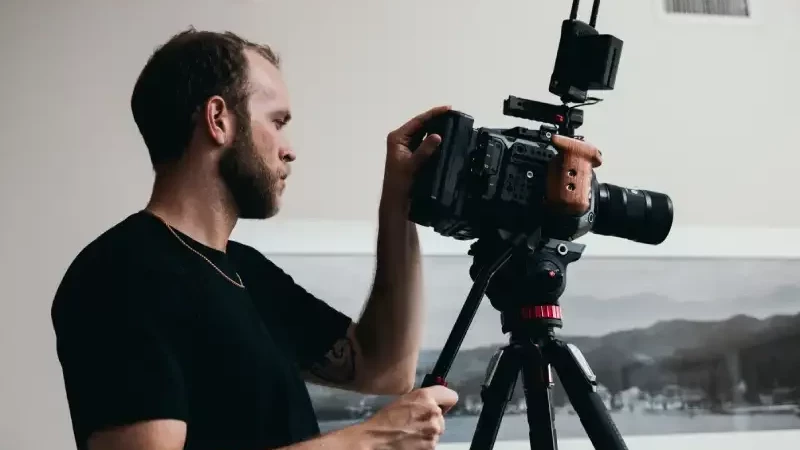
Most businesses researching a Salt Lake City video production company have already decided they need a video. What they actually want to know is what happens next: how the first conversation goes, how much of their own time a shoot day requires, and how long they will be waiting on an edit. Those questions rarely get answered on a typical services page, so here is what the process looks like in practice, from the first call through final delivery, based on how we run projects for clients along the Wasatch Front.
What a Discovery Call With a Salt Lake City Video Production Company Actually Covers
The first call is not a sales pitch, or shouldn’t be. A good discovery call is closer to an intake interview: what is this video actually for, who is the audience, where will it live once it is finished, and what has to be true about the finished piece for the project to count as a success. A production company that jumps straight to camera packages and day rates without asking these questions first is optimizing for the shoot, not the outcome.
This is also the point where a smaller but important question gets answered: does the project need production, or does it need strategy first. Some businesses come in with a clear video request that turns out to be the wrong format for the goal they described, and a short video consulting conversation up front saves a client from paying for a full production only to find out the format did not fit the message.
Pre-Production: Scripting, Locations, and Scheduling Around Your Business
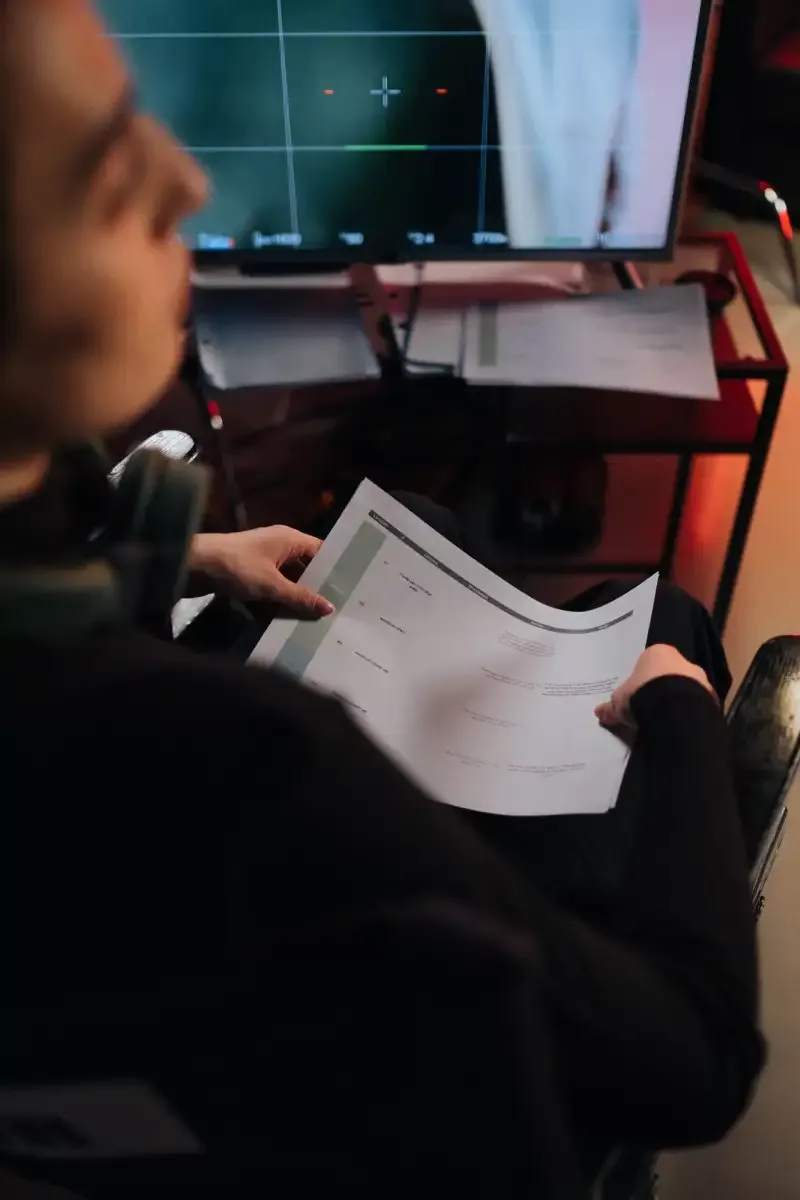
Pre-production is where most of a corporate video’s quality actually gets decided, even though it is the phase clients see the least of. A script or interview outline gets drafted and revised, locations get scouted or confirmed on your site, and a shoot schedule gets built around your operation rather than the other way around, since most businesses cannot shut down a production floor or a clinic for a full day just to accommodate a video crew.
For Salt Lake City businesses specifically, this phase also includes practical local logistics: permitting for exterior shots downtown or near Temple Square, scheduling around Wasatch Front traffic patterns for multi-location days, and building in weather contingency for outdoor shoots, since Utah’s seasons can shift a shoot date by weeks if it is not planned around.
Shoot Day: What a Crew Needs From You

A well-run corporate video shoot needs less from the client on the day itself than most people expect, but it needs the right things. A point of contact who can make decisions on site, access to the space at the agreed time, and interview subjects who have been briefed on roughly what will be asked, though not scripted word for word, since over-rehearsed answers tend to read as stiff on camera.
A single-location shoot with a couple of interview subjects and supporting B-roll usually wraps in a half day to a full day. What surprises first-time clients is how much of that day is lighting and setup rather than actual filming; a five-minute interview segment might take forty-five minutes to set up correctly, and that time is what separates footage that looks professional from footage that looks rushed.
Post-Production and Revisions: How Long Corporate Video Editing Takes
Editing is where the schedule question comes up most. A straightforward corporate video typically takes two to three weeks from wrapped footage to first cut, depending on complexity, motion graphics, and how many stakeholders need to review before sign-off. Two rounds of revisions built into the timeline keep the process predictable: one after the first cut, one after the client’s notes are addressed, with additional rounds available if the project calls for it.
The businesses that get the smoothest post-production experience are the ones that consolidate feedback from every stakeholder into one document before sending notes back, rather than letting three departments send three separate rounds of conflicting comments. That one habit alone tends to save more time than any other part of the process.
Budget Approval and Scope Changes: What Happens if the Project Shifts
Corporate video projects rarely stay exactly as scoped from the first call. A client discovers mid-pre-production that they actually need two versions of the video for two audiences, or a stakeholder who was not on the original call asks for an additional interview subject after the shoot is already booked. A production company that handles this well will price scope changes as a clear add-on rather than folding them silently into the original estimate, since that is what keeps a project’s actual cost matching what was originally approved internally.
The businesses that avoid budget surprises are the ones that loop in whoever holds final sign-off, whether that is a marketing director, an owner, or a board member, before pre-production locks the script and shoot schedule. A scope change caught before the crew is booked costs a phone call. The same change caught after footage is already shot usually costs a second shoot day.
Questions to Ask a Salt Lake City Video Production Company Before You Sign
A short list of questions tends to separate a production company that treats every project the same way from one that will actually plan around your specific goal.
Can you show me a past project with a goal similar to mine, not just a reel of visually impressive footage?
How many rounds of revisions are included, and what happens if my team needs an additional round?
Who is my point of contact once the shoot is booked, and how fast do they typically respond mid-project?
What happens if a stakeholder asks for a scope change after pre-production is already locked?
Do you handle Utah-specific logistics like permitting and weather contingency, or is that left to me?
A company that answers these clearly and specifically, rather than with a generic pitch, is usually the one that will manage the realities of the project well once the contract is signed.
Local vs. Out-of-State Crews: Why Location Still Matters in Utah
A national production company can absolutely deliver a good video, but a Utah video production company based here has a few structural advantages that are easy to underestimate until a project needs one of them. Travel costs disappear from the budget. A same-week pickup shot, the kind needed when the edit reveals one interview answer that did not quite land, is a same-day trip for a local crew and a re-booked flight for an out-of-state one.
Local crews also tend to know the Wasatch Front’s locations, permitting offices, and seasonal quirks well enough to plan around them instead of discovering them mid-shoot. None of that replaces vetting a company’s actual reel and references, but it is a real factor worth weighing for Salt Lake City, Provo, Lehi, and Ogden businesses comparing a local option against a national one.
How Eagle Wing Works With Salt Lake City Businesses
Every project starts with the same discovery conversation described above, and for businesses unsure whether their video idea is even the right format, we offer that conversation as a standalone video consulting engagement before any camera gets booked, so the strategy is settled before the budget is spent on production.
Once a project moves into production, our corporate video work covers everything from the pre-production planning described above through final delivery, built around Utah businesses that need a crew who already understands the Wasatch Front and won’t need a plane ticket for a reshoot. If you are weighing a local option against a national one, or just want to know what a realistic timeline looks like for your specific project, reach out and we will walk you through it before you commit to anything.
Frequently Asked Questions About Video Production in Salt Lake City
How far in advance should I book a Salt Lake City video production company?+
Most corporate video projects need three to six weeks of lead time from the initial call to shoot day, longer if the project involves multiple locations or several stakeholders who need to approve the script. Rush timelines are possible but usually limit how much pre-production planning can happen.
What should I prepare before the first call with a video production company in Utah?+
Come with the goal of the video (recruiting, sales, training, investor communication), a rough sense of who needs to appear on camera, and any brand guidelines or past videos you like or want to avoid. You do not need a finished script or shot list; that gets built together in pre-production.
How long does a corporate video crew need on site for a shoot?+
A single-location corporate video with two or three interview subjects and some B-roll typically takes a half day to a full day. Multi-location shoots or projects with several interview subjects and staged demonstrations can run two to three days.
Why hire a local Salt Lake City crew instead of a national production company?+
A local crew based in Utah eliminates travel costs, knows the Wasatch Front for locations and permitting, and can usually turn around a same-week reshoot or pickup shot if something is missing in the edit, which is harder to arrange with a crew flying in from out of state.
How many rounds of revisions are included in corporate video editing?+
Most Utah production companies build two rounds of revisions into a standard corporate video package: one after the first cut and one after the client’s notes are addressed. Additional rounds are usually available but may affect the project timeline.
Start Your Project
Ready to Bring Your Story to Video?
Book a free strategy call, and we'll help you figure out which type of video will deliver the best ROI for your business.