
Documentary Filmmaking for Brands: When a Short Documentary Beats a Commercial
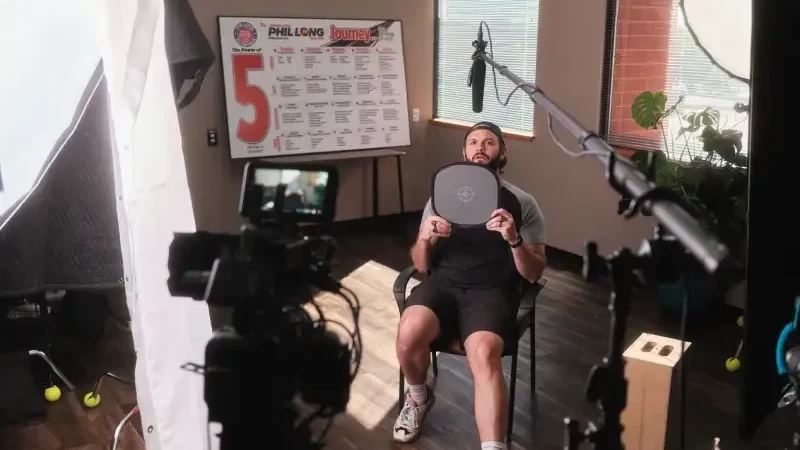
A 30-second commercial tells an audience what a brand does. A short documentary shows them why it matters, and viewers can tell the difference within the first ten seconds. Brand documentary filmmaking has moved out of the world of Fortune 500 sustainability reports and into the marketing budgets of manufacturers, healthcare providers, and mid-size service companies that need to sell trust, not just product. The format works because it borrows credibility from journalism instead of advertising: real employees, real customers, and real stakes, filmed the way a news crew would cover a story rather than the way an agency would stage one. We’ve shot both formats for the same client in the same year, and the documentary consistently held attention longer and converted better past the first three seconds.
What Makes a Video a Documentary Instead of a Commercial
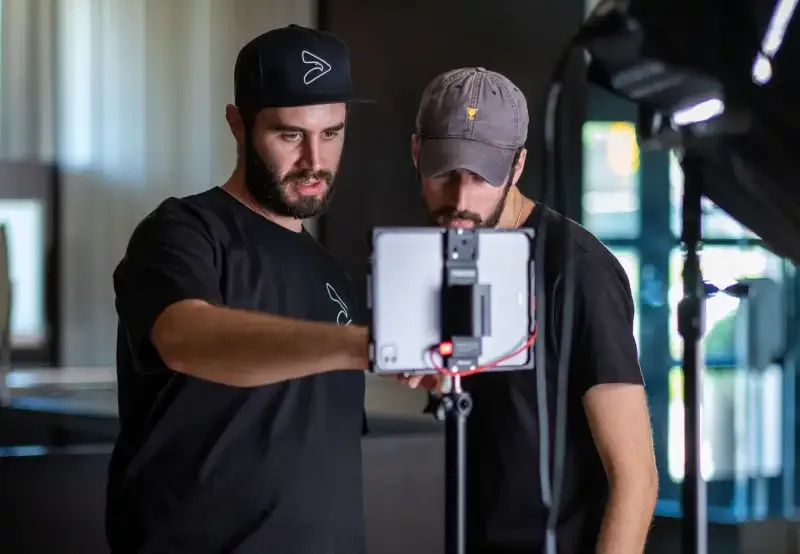
A branded documentary: a video that follows real people and real events over time to build a case for a company, rather than staging actors around a scripted pitch, differs from a commercial in structure, not just runtime. A commercial is written first and shot to match the script. A documentary is shot first, based on an interview outline and a rough sense of the story arc, and the script gets built in the edit from what was actually captured.
That distinction changes everything downstream. A commercial can say whatever the brand wants it to say, because every line is scripted and every actor is paid to deliver it. A short documentary for business has to earn its message from real footage, real quotes, and real outcomes, which means the story has to actually be true before a single camera rolls. That constraint is also the format’s biggest advantage: audiences have gotten very good at spotting a stock-photo smile, and a documentary simply doesn’t give them one to spot.
None of this makes documentary style marketing a replacement for every video a brand needs. A 15-second social ad or a quick product explainer still calls for a scripted, commercial approach. Documentary format earns its cost when the goal is trust, not just awareness.
The Business Case: When a Short Documentary Beats a 30-Second Ad
Commercials are still the right tool for driving immediate action: a limited-time offer, a product launch, a retail promotion. Documentaries are the right tool when the sales cycle is long and the real obstacle isn’t awareness, it’s belief. A construction firm bidding on a nine-figure contract doesn’t need more people to recognize its logo. It needs the review committee to believe the crew shown in the video actually built what the video claims they built.
That’s the business case for brand documentary filmmaking: it compresses the trust-building that would otherwise take a prospect months of reference calls and site visits into eight minutes of footage they can watch before the first sales call. B2B companies with long consideration cycles, healthcare organizations working to reassure patients, and manufacturers competing on process quality all see this pattern. The documentary doesn’t replace the sales conversation. It changes what that conversation starts from.
We built our documentary services around this exact use case, working with founders and operations teams to identify which parts of the business actually make a compelling story before a single shoot day is booked. The clients who get the most out of the format are the ones who treat pre-production as story development, not scheduling, because the story is the product here in a way it isn’t for a scripted spot.
Documentary vs. Commercial: A Side-by-Side Comparison
The two formats solve different problems, and the comparison below shows where they diverge in practice.
Format: a commercial is scripted and storyboarded before the shoot; a documentary is shot first and structured afterward in the edit.
Cost driver: commercial cost concentrates in production value (locations, talent, lighting); documentary cost concentrates in pre-production access and shoot days spent waiting for real moments to happen.
Timeline: commercials can often turn around in two to four weeks; documentaries typically need six to twelve weeks to allow for access, interviews, and a story to take shape in the edit.
Best use case: commercial for direct offers and product launches; documentary for trust-building, recruiting, and long B2B sales cycles.
Tone: commercial is polished and controlled; documentary is observational and imperfect on purpose.
Most brands eventually need both: the documentary builds the case for the company, and the commercial converts that trust into a specific action.
What a Branded Documentary Actually Costs You in Time and Access
The line item that surprises most first-time clients isn’t the budget, it’s the calendar. A commercial shoot can be scheduled to the hour because every shot is planned in advance. A branded documentary requires standing by while the real thing happens: waiting for the technician to hit the actual repair, waiting for the patient’s actual appointment, waiting for the actual shift change on the factory floor. That waiting is billable time, and it’s the reason documentary-style production usually runs longer in pre-production and on set than a comparably budgeted commercial.
Access is the other cost. A documentary crew needs signed releases from every employee and customer on camera, needs enough advance notice to be present for the moment that matters, and needs a subject willing to be filmed being ordinary rather than performing for the lens. Companies with strong internal trust, where employees are comfortable being themselves on camera, get better documentary footage for the same shoot-day budget than companies where every interview subject is visibly performing. That’s worth assessing honestly before committing to the format, because no amount of editing fixes a subject who won’t relax in front of a camera.
Five Signs Your Brand Story Belongs in a Documentary, Not a 30-Second Spot

Not every brand has a documentary in it yet. These are the five signs we look for before recommending the format over a commercial.
A founder or leadership story with real stakes, where something was actually risked, not just built.
A visible process worth showing: manufacturing, craft, or technical work that looks different in person than customers imagine.
A workforce or safety culture willing to speak on camera without a script.
A customer transformation you can document with real before-and-after access, not just a testimonial quote.
A sales cycle long enough that trust, not awareness, is the actual bottleneck.
If two or more of these apply, a short documentary for business will likely outperform a commercial built around the same message, because the audience is being shown proof instead of being told a claim.
How Eagle Wing Approaches Documentary Style Marketing
Our documentary process starts with a story audit, not a shot list: a conversation about what’s actually true and interesting about the business before a camera is booked. From there we build an interview outline, identify the moments worth being present for, and set a realistic shoot schedule that accounts for the access documentary work requires. Where a client’s story calls for a more direct, produced explanation of a product or process alongside the documentary, we pair it with a corporate video built to complement rather than duplicate what the documentary already covers, so the two formats work as a set instead of competing for the same message.
The result is a piece of content that does something a commercial can’t: it gives a skeptical audience a reason to believe the brand’s claims are true, because they watched the proof rather than heard the pitch. If your business has a founder story, a process worth showing, or a customer transformation worth documenting, that’s usually enough to start the conversation. Reach out and we’ll tell you honestly whether documentary is the right format for what you’re trying to say, or whether a commercial will do the job faster and cheaper.
Frequently asked questions about making documentaries
How is a branded documentary different from a corporate video?+
A branded documentary follows real people and unscripted events to build a case for a company over several minutes, while a corporate video typically explains a product, process, or benefit in a more direct, produced format. Many businesses use both: a documentary to build trust and a corporate video to explain specifics once that trust exists.
How long should a branded documentary be?+
Most effective branded documentaries run between 4 and 12 minutes for web and social distribution, long enough to develop a real story arc but short enough to hold attention without a festival-length runtime. Internal or investor-facing documentaries can run longer.
Is a documentary more expensive than a commercial?+
Documentary-style production usually costs more in pre-production time and shoot days because it requires access, releases, and story development that a scripted commercial does not. Contact us for a quote based on your story and access requirements.
Does a branded documentary need a script?+
No, but it needs a structure. Documentary production replaces a word-for-word script with an interview outline, a shot list built around anticipated moments, and a story arc the editor builds in post-production from what was actually captured.
What kinds of businesses benefit most from documentary style marketing?+
Companies with a strong founder story, a manufacturing or craft process worth showing, a workforce or safety culture to prove out, or a customer transformation to document tend to see the strongest results, since all four give a documentary crew real material to work with.
Start Your Project
Ready to Bring Your Story to Video?
Book a free strategy call, and we'll help you figure out which type of video will deliver the best ROI for your business.