Video Consulting: When You Need Strategy Before You Need a Camera

Hiring a production crew and hiring a video consultant solve two different problems, and confusing them is one of the more expensive mistakes a marketing team can make on a first video project. A production crew is built to execute a plan: show up, shoot, and deliver a finished video against a defined scope. Specialized video consulting services exist for the stage before that, when the plan itself, what to make, why, and for whom, isn't settled yet. Booking a crew before that plan exists usually means paying for production decisions to get made reactively on set, which costs more and produces a weaker result than settling them in advance. The distinction sounds obvious once stated, but it's the single most common source of disappointment on a company's first video project.
The Difference Between a Production Crew and a Video Consultant
A production crew's job is defined by a brief: a script, a shot list, a location, and a delivery date. A video consultant's job is to help build that brief in the first place, working through what the video needs to accomplish, who the audience is, what format fits the goal, and how the finished piece will be measured. Companies that skip this step and go straight to booking a crew often find themselves making brief-level decisions on the shoot day itself, which is the most expensive and least reliable place to make them.
Video strategy consulting is particularly valuable for companies that have never produced video before, or that have tried it once with disappointing results and aren't sure what to change the second time around. It's also useful for larger organizations where marketing, sales, and leadership each have a different idea of what the video should accomplish, since a consultant can surface those competing goals early and get everyone aligned on one before any budget is committed to production.
Signs You Need a Strategy Conversation Before a Shoot
A few situations reliably point toward a consulting engagement before any production booking. If a team can't clearly state what the video is supposed to accomplish beyond "more visibility," that's a strategy gap, not a production gap. If a previous video project underperformed and no one can pinpoint why, a consultant can usually diagnose whether the problem was the format, the message, the distribution plan, or some combination, before a second production attempt repeats the same mistake. If a company is planning multiple video projects across a year rather than a single piece, a consulting engagement to map the whole content plan prevents each video from being scoped in isolation.
Pre-shoot planning through a consulting engagement typically covers goal definition, audience and funnel-stage mapping, format recommendations, a realistic budget range, and a rough content calendar if more than one video is planned. Each of these gets documented in writing, which gives the company something concrete to hand off to a production team rather than a verbal understanding that different stakeholders remember differently.
What a Video Consulting Engagement Actually Covers
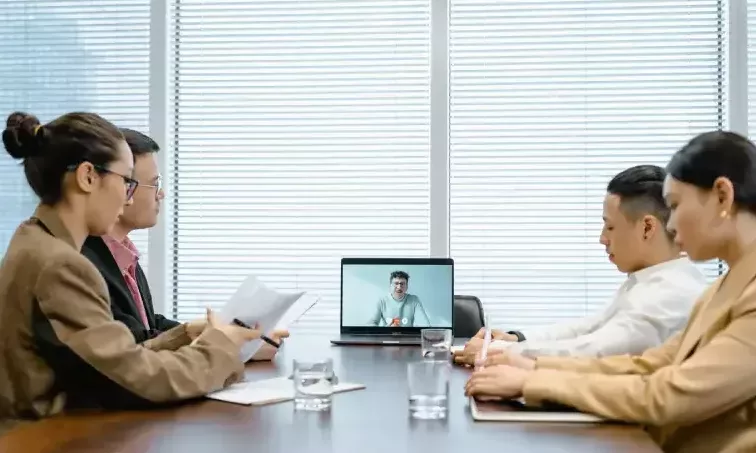
A typical video consulting services engagement starts with a working session to define the business goal the video (or videos) need to move, followed by an audit of any existing video content to identify what's working and what isn't. From there, a video marketing consultant maps recommended formats to funnel stages, sketches a realistic budget range for each recommended piece, and, if useful, builds out a rough production timeline. The engagement typically wraps with a written brief the company can either hand to Eagle Wing Productions for production or take to another vendor, since the strategy and the production are intentionally treated as separable decisions.
That separation matters. A company shouldn't feel locked into a specific production vendor just because they got strategy help first, and a consulting engagement that's structured honestly should hold up regardless of who eventually holds the camera. This is also why the engagement is priced and scoped separately from any production work, rather than being bundled in as a discounted add-on that only makes financial sense if the same company gets the production booking too.
When It's Fine to Skip Consulting and Go Straight to Production
Not every video needs a dedicated strategy engagement first. A company that has already produced several videos successfully, has a clear internal process for scoping new projects, and knows exactly what this next piece needs to accomplish can usually go straight to a production conversation without losing anything. Video consulting earns its cost specifically in the gap where a plan doesn't exist yet or where a previous attempt didn't work and the reason isn't clear, not as a mandatory first step for every video project regardless of a company's experience level.
How Consulting Changes the Production Conversation That Follows
Companies that go through a consulting engagement before booking production consistently arrive at the production conversation with a much shorter list of open questions. Instead of a first production meeting spent debating goals and format, the conversation can start from an agreed brief and move directly into scheduling, casting, and logistics. That shift saves real time during production planning and reduces the number of scope changes that come up mid-project, which is one of the more common reasons video budgets run over their original estimate.
Eagle Wing Productions offers strategic guidance to help businesses scale their overall video marketing efforts, working with companies at this decision point, before a shoot list exists, so that whatever gets produced afterward, by Eagle Wing or by another vendor, is built around a plan that's actually been thought through.
What Happens When Companies Skip Consulting and Get It Wrong
The pattern is familiar to anyone who has worked in video production long enough: a company books a crew with a vague brief, a general sense that they need "a video for the website" or "something for social," and no clear answer to who the audience is or what action the video should drive. The shoot happens anyway, because the date is booked and the budget is committed, and decisions that should have been made weeks earlier, tone, message, format, get made in real time on set, often by whoever happens to be the most vocal person in the room that day.
The finished video in these cases is rarely bad in a technical sense. The lighting is fine, the audio is clean, the editing is competent. What's usually missing is a clear point of view, because no one settled on one before the cameras started rolling. That's the gap video consulting exists to close, and it's a cheaper problem to solve with a strategy conversation than with a reshoot after the fact.
Video Consulting for Companies Planning a Full Year of Content
Video consulting services become especially valuable for companies planning to produce video regularly rather than as a one-off project. A single consulting engagement can map an entire year's video content plan across formats and funnel stages, identifying which pieces support awareness, which support consideration, and which drive conversion, so that each new video request throughout the year has a clear place in the overall plan instead of being evaluated in isolation. This kind of planning also makes budgeting easier at the organizational level, since a marketing team can request an annual video budget backed by a specific content calendar rather than asking for funding project by project without a clear throughline.
Companies that build this kind of annual plan through a consulting engagement also tend to produce more consistent-feeling content across the year, since each video is made with the same underlying strategy in mind rather than being reinvented from scratch every time a new need comes up. That consistency compounds over time, making each additional video easier and less expensive to plan than the one before it.
Video Consulting vs. Production FAQ
What's the difference between hiring a production crew and hiring a video consultant?+
A production crew executes an already-defined plan, while a video consultant helps build that plan first, covering goals, audience, format, and budget before any shoot is scheduled.
How do I know if I need video consulting before production?+
If your team can't clearly state what the video should accomplish, or a past video underperformed without a clear reason why, a consulting conversation before booking a crew is usually worthwhile.
Q: What does a video consulting engagement typically include?+
A typical engagement covers goal definition, an audit of existing video content, format recommendations by funnel stage, a realistic budget range, and a written brief ready to hand to a production team.
Do I have to use the same company for consulting and production?+
No. A well-structured consulting engagement produces a brief that can be handed to any production vendor, since strategy and production are intentionally treated as separate decisions.
Is video consulting only for companies new to video?+
It's most valuable for companies without a clear plan yet or whose past video underperformed for unclear reasons, but companies planning multiple videos across a year also benefit from a consulting engagement to map the full content plan.
Can I skip consulting and go straight to booking a production crew?+
Yes, if your team already has a clear goal, format, and process for scoping video projects, going straight to a production conversation typically works fine.
Start Your Project
Ready to Bring Your Story to Video?
Book a free strategy call, and we'll help you figure out which type of video will deliver the best ROI for your business.