
Conference Video Production: What to Budget and Plan For
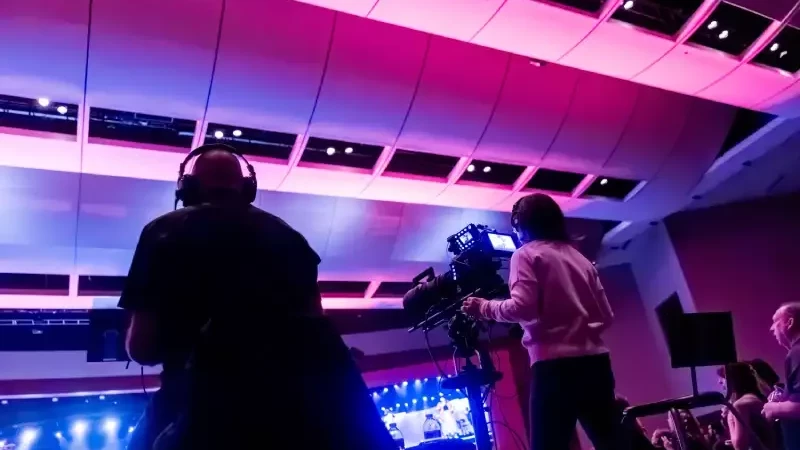
Ask five video production companies what conference video production costs and you'll get five different numbers, and none of them will mean much until you know what's actually being covered. A single keynote with one camera and a slide deck costs nothing like a two-day conference with six breakout rooms running simultaneously. This complexity is even more pronounced in specialized fields like healthcare video production, where regulatory compliance and filming sensitive medical events add unique variables to the budget. Before requesting quotes, it helps to understand the handful of inputs that actually drive conference video cost and timeline, so the number you get back makes sense instead of feeling arbitrary. This matters most for marketing directors booking conference coverage for the first time, since a mismatched quote almost always traces back to a scope conversation that never happened.
The Inputs That Actually Drive Conference Video Cost
Four factors do most of the work in a conference video quote: the number of sessions being covered, whether those sessions run simultaneously or sequentially, the number of cameras per session, and how fast the final deliverables need to turn around. A single-camera keynote recording is a fundamentally different project than a three-camera setup capturing a keynote plus four concurrent breakout sessions, even if both happen at the same venue on the same day.Turnaround speed matters more than most first-time buyers expect. Same-day highlight clips for social media require an editor working on-site or immediately after each session, which adds crew hours that a two-week turnaround wouldn't need. Planners who want both full-session archival footage and quick social cuts should budget for both deliverables separately rather than assuming one edit produces everything.
Keynote Coverage vs. Breakout Session Coverage
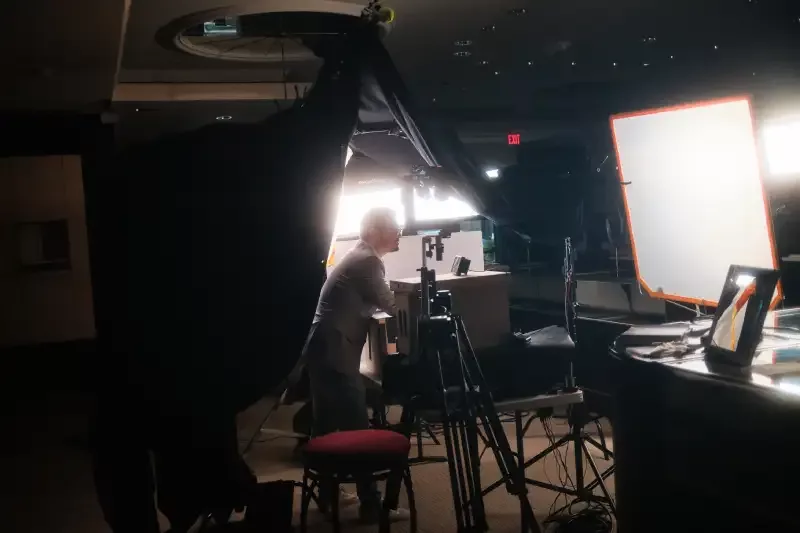
Keynote coverage is usually the simpler half of the budget. A well-lit stage, a predictable run of show, and a single primary speaker make multi-camera keynote coverage straightforward to plan and price. Breakout sessions are where conference videography cost usually climbs, because covering four rooms running at the same time means either four separate crews or a schedule that accepts covering only some sessions live and picking up others via handoff recording equipment.
A practical approach for a first conference video project is to cover the keynote and one or two priority breakout sessions in full, and record the remaining sessions on stationary cameras without a dedicated crew. That mix keeps b2b conference video costs proportional to what will actually get used in marketing afterward, rather than paying for full crew coverage of a session that ends up as unused footage.
What a Realistic Event Video Budget Actually Includes
An event video budget breaks into three buckets that first-time buyers often underestimate individually: pre-event planning (run-of-show coordination, camera placement walkthroughs, coordination with the venue's AV team), on-site production (crew day rates, camera and audio equipment, backup gear), and post-production (session-by-session editing, highlight reel assembly, captioning for social distribution). Pre-event planning is the bucket most commonly skipped in a first budget, and it's usually the one that prevents on-site problems, since a venue's house AV setup rarely integrates cleanly with an outside production crew without a walkthrough beforehand.
In our experience, the conference video projects that come in on budget are the ones where the production team gets a copy of the run of show and a venue walkthrough at least two weeks out, not the morning of the event.
Multi-Day Conferences and Crew Scheduling
Multi-day conferences introduce a scheduling variable that single-day events don't: crew fatigue and equipment logistics across consecutive long days. A crew covering a full three-day conference needs realistic rest windows built into the schedule, along with a plan for offloading and backing up footage each night rather than waiting until the event wraps. Planners sometimes assume a single crew can run flat-out for three days without a dip in coverage quality, and that assumption is usually where budget overruns come from, either through added crew days or reshoots.
Building in a same-day recap video for day one and day two, distributed to attendees or on social before the conference even ends, is a strong use of a multi-day event video budget and one of the higher-return deliverables a conference video production plan can include.
How to Get an Accurate Quote Before You Book
The fastest way to get a conference video production quote that won't change once the details are locked in is to bring a production company the actual event details before asking for a number: total session count, which sessions are priority for coverage, venue floor plan if available, and the deliverables you actually need afterward (full-session archive, social highlights, or both). A production company working from those specifics can price accurately on the first pass, instead of quoting a placeholder number that shifts once the real scope surfaces.
Eagle Wing Productions offers strategic video consulting directly to event planners at this planning stage, before a final headcount or run of show exists, to help scope conference coverage that fits the budget and actually gets used across marketing channels after the event wraps.
Common Budget Mistakes First-Time Conference Video Buyers Make
The most common mistake is budgeting for footage capture but not for what happens to it afterward. Raw multi-camera conference footage without a plan for editing, tagging by session, and distribution sits unused more often than not, which means the on-site production spend never turns into marketing value. A close second is assuming a single crew and one camera can adequately cover a keynote and simultaneous breakout sessions, which forces hard tradeoffs on-site that a clearer budget conversation upfront would have avoided.
Planners who treat the post-production and distribution plan as part of the initial budget, rather than an afterthought once footage is delivered, consistently get more usable content out of the same event spend.
Getting More Marketing Value Out of the Same Event Budget
Conference video coverage is one of the few marketing expenses that can serve several purposes at once, if the deliverables are planned that way from the start. A single day of multi-camera keynote and breakout coverage can produce a full-session archive for gated lead-generation content, short social clips for the weeks following the event, a highlight reel for next year's event marketing, and testimonial-style clips pulled from attendee interviews between sessions. None of that comes free, but it comes at a much lower incremental cost than commissioning each piece separately later.
The planners who get the most out of a b2b conference video budget are the ones who build the repurposing plan into the original scope conversation, specifying which sessions need full editing treatment and which only need a rough cut for internal use. That single decision, made before the event rather than after, is usually the difference between a conference video budget that pays for itself across a year of marketing content and one that produces a single video nobody revisits after the highlight reel goes out.
Working With Your Existing AV and Events Team
Most conferences already have an in-house or vendor AV team handling sound reinforcement, lighting, and screen displays for the live audience. A video production crew brought in for content capture is solving a different problem, marketing-ready footage rather than a good in-room experience, and the two teams need a coordination point well before event day. Sharing camera placement plans with the AV team in advance prevents lighting rigs or stage monitors from blocking a planned camera angle, and confirming audio feed access (a clean board feed rather than relying on a shotgun mic in the room) makes a measurable difference in the usability of the final footage.This coordination step costs nothing beyond a planning call, but skipping it is one of the more common reasons conference video footage comes back with usable picture and unusable audio, forcing a reshoot or a lower-quality final deliverable than the budget was meant to produce.
FAQ Section
How much does conference video production typically cost?
Cost depends primarily on session count, whether sessions run simultaneously, camera count per session, and turnaround speed, which is why a specific number requires those details rather than a flat estimate.
Should I cover every breakout session at my conference?
Not necessarily. A common approach is full crew coverage for the keynote and one or two priority breakout sessions, with stationary camera recording for the rest, keeping costs proportional to what will actually be used afterward.
What's usually missing from a first-time conference video budget?
Post-production and distribution planning are the most commonly underbudgeted items, since raw footage without an editing and tagging plan rarely turns into usable marketing content.
How far in advance should I book conference video coverage?
A production team should ideally receive the run of show and complete a venue walkthrough at least two weeks before the event to avoid on-site AV integration problems.
Can conference video crews deliver same-day highlight clips?
Yes, but same-day turnaround requires an on-site or immediately available editor, which adds crew hours beyond standard multi-week post-production timelines and should be budgeted separately.
What information should I give a production company for an accurate quote?
Provide total session count, which sessions are priority, the venue floor plan if available, and your actual deliverables, whether that's full-session archives, social highlights, or both.
Start Your Project
Ready to Bring Your Story to Video?
Book a free strategy call, and we'll help you figure out which type of video will deliver the best ROI for your business.