Healthcare Video Production: What HIPAA-Conscious Marketing Actually Looks Like
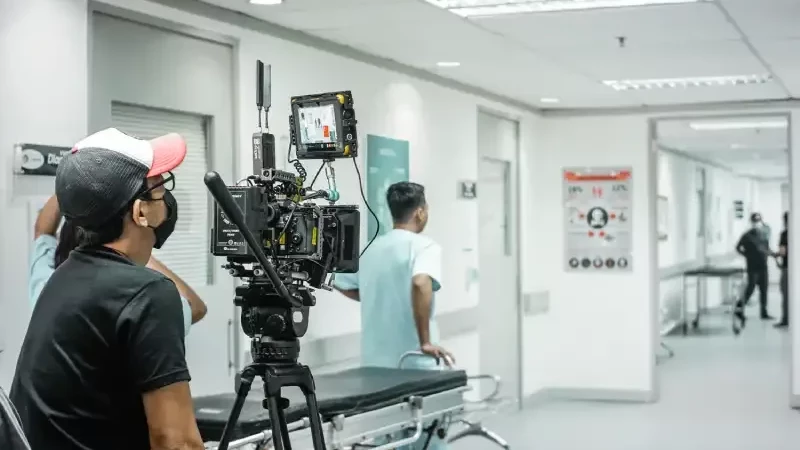
Healthcare video production carries a planning layer that most other commercial video work doesn't: protecting patient privacy and complying with HIPAA while still capturing footage that feels authentic rather than clinical and distant. Working with a team that specializes in healthcare video production ensures these considerations are addressed from the very beginning of the project. That balance gets solved during pre-production, not on the shoot day, through decisions about who's on camera, what's visible in the background, and how consent gets documented before a single clip is filmed. Practices that treat this as a legal afterthought instead of a production planning step tend to run into problems late, either during editing or after publication, when they're harder and more expensive to fix.
Patient Consent Is a Production Planning Step, Not a Legal Afterthought
Any healthcare video that includes an identifiable patient, whether they're speaking on camera, visible in the background, or referenced by name, requires documented consent that covers exactly how the footage will be used: which platforms it will appear on, how long it will be used, and whether it can be edited or repurposed later. Getting this signed before the shoot day, not during a break in filming, avoids a scramble that either delays production or forces cutting usable footage because consent wasn't properly documented in time.
A written family consent, confirmed in advance and covering the specific use case for the finished piece, is the standard a healthcare video production plan should be built around whenever a patient's name, condition, and story appears in the content. That documentation should specify not just that consent was given, but exactly what was consented to, since a family that agreed to a video for a practice's own website may not have agreed to the same footage running as a paid social ad.
What Counts as Protected Information on a Healthcare Set
Protected health information isn't limited to what's said out loud on camera. A whiteboard with patient names in a background shot, a computer screen showing a scheduling system, an exam room door with a patient's name on it, all of these can inadvertently capture protected information if a crew isn't specifically watching for them. A pre-shoot walkthrough with facility staff to identify and cover or avoid these elements is a standard part of a compliant healthcare video production plan, and it takes far less time than dealing with a compliance issue after footage has already been edited and published.
In our experience, the healthcare video projects that stay clean from a compliance standpoint are the ones where a facility's privacy or compliance contact does a walkthrough with the production crew before the shoot, not after.
Facility Access Coordination for Healthcare Shoots
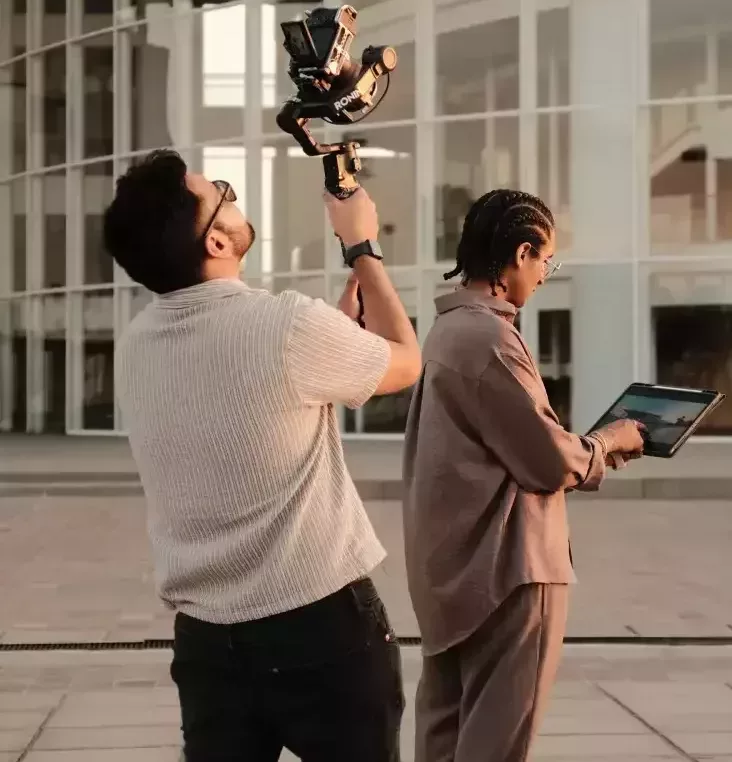
Filming inside an active healthcare facility requires coordination that a typical commercial shoot doesn't: scheduling around active patient care hours, confirming which areas are off-limits regardless of consent (certain treatment areas, medication storage, records rooms), and briefing facility staff on what the crew will and won't be doing during filming hours. Scheduling a shoot during lower-traffic hours, and confirming that with facility leadership rather than assuming, reduces both the compliance risk and the chance of disrupting actual patient care during filming.
A facility's compliance officer or practice administrator should be looped into the production schedule early, not brought in only to review the finished footage, since their input on access and timing shapes the shoot plan itself. This early involvement also gives the compliance contact a chance to flag anything specific to that facility, a records room in an unexpected location, a shared hallway used by multiple departments, that a production crew visiting for the first time wouldn't know to ask about.
What HIPAA-Conscious Marketing Video Actually Prioritizes
A hipaa compliant video doesn't have to feel sterile or overly cautious to viewers. The goal is authentic footage captured within a clear compliance framework, not footage stripped of anything that feels real. Medical marketing video that works well typically features patients and staff who've given full, documented consent, tells a specific story rather than a generic "we care about patients" message, and is shot in a way that naturally avoids capturing protected information rather than requiring heavy blurring or editing after the fact to remove it.
Blurring or redacting protected information after a shoot is a fallback, not a plan. A well-scouted, well-briefed shoot day should need very little of it, because the crew already knows what to avoid capturing in the first place.
Working With a Production Crew That Understands Healthcare Settings
Not every video production company has experience navigating healthcare facility logistics, and that experience gap shows up as slower pre-production, more revisions to address compliance issues found late, or footage that has to be reshot because something was captured that shouldn't have been. Teams with experience in both healthcare video production and documentary production understand how to work in sensitive environments where planning, consent, and real-life storytelling need to coexist. A production company that has worked in healthcare settings before will typically ask about consent documentation, facility access rules, and protected information exposure as a standard part of the pre-production conversation, rather than needing a client's compliance team to raise those issues first.
Eagle Wing Productions has produced healthcare marketing videos for practices navigating exactly these considerations, including projects where a patient's name, condition, and story appear in the finished piece with full, documented family consent secured before filming began. Their experience with documentary-style productions also helps capture genuine patient and provider stories while maintaining compliance throughout the process.
Staff-Focused Content as a Lower-Complexity Starting Point
Practices new to healthcare video production and cautious about compliance complexity often find that staff-focused content is a lower-risk starting point than patient stories. A provider explaining a treatment approach, a facility tour that avoids active patient areas, or a staff introduction video all deliver genuine marketing value while sidestepping most of the consent complexity that patient-featured content requires. These pieces still need review for incidentally visible information, but they don't carry the same documentation burden as a video built around a specific patient's story.
Building a content plan that starts with staff-focused pieces and adds patient-story content once a practice has a comfortable consent and review process in place is a reasonable way to ease into healthcare video production without taking on more compliance complexity than a marketing team is ready to manage on a first project.
Telehealth and Remote Care Content Have Their Own Considerations
Healthcare marketing increasingly includes telehealth and remote care messaging, which introduces its own version of the same compliance questions: a video showing a telehealth interface needs the same scrutiny for visible patient information as a video shot inside a physical facility, and a recorded video call testimonial needs the same consent documentation as an in-person interview. Screen recordings of any patient portal or scheduling software used in marketing content should be captured with dummy or clearly fictional data rather than an active system, since a live screen capture risks showing real patient information even in a brief, incidental frame.
Content production teams working on telehealth-focused healthcare content production should treat a screen recording with the same compliance seriousness as an in-person shoot, since the risk of capturing protected information is just as real on a screen as it is in a physical room.
Building Compliance Review Into the Post-Production Process
Compliance considerations don't end when filming wraps. A healthcare video's rough cut should go through a review pass specifically focused on protected information before it goes to the client's general marketing review, catching anything that a busy shoot day might have missed, a background detail, an incidental audio pickup, a shot that lingers on a screen longer than intended. Building this review into the standard post-production workflow, rather than relying on the client's compliance team to catch issues in the final cut, keeps healthcare content production moving on schedule without sacrificing the diligence that protects both the patient and the practice.
A short, documented sign-off from the facility's compliance contact before final delivery gives both sides a clear record that the review happened, which matters if questions ever come up after the piece is published.
Healthcare Video Production FAQs
What makes healthcare video production different from standard commercial video?+
Healthcare video production requires documented patient consent, careful attention to protected health information in the frame, and coordination around facility access rules that don't apply to typical commercial shoots.
Do I need patient consent for every healthcare marketing video?+
Yes, any video that includes an identifiable patient, whether on camera, in the background, or referenced by name, requires documented consent covering how the footage will be used.
What counts as protected health information on a video set?+
Beyond spoken information, protected details can appear incidentally in whiteboards, computer screens, or labeled doors, which is why a pre-shoot walkthrough with facility staff is standard practice.
Can healthcare video still feel authentic within compliance requirements?+
Yes. Authentic healthcare video comes from patients and staff who've given full documented consent and a shoot plan that avoids capturing protected information, rather than from heavy blurring or editing after the fact.
Who should be involved in planning a compliant healthcare video shoot?+
A facility's compliance officer or practice administrator should be looped into scheduling and access planning early, not brought in only to review finished footage.
Does compliance review happen only during filming?+
No. A rough cut should go through a compliance-focused review pass before general marketing review, to catch anything a busy shoot day might have missed.
Start Your Project
Ready to Bring Your Story to Video?
Book a free strategy call, and we'll help you figure out which type of video will deliver the best ROI for your business.