
How Corporate Video Production Builds Trust With B2B Buyers
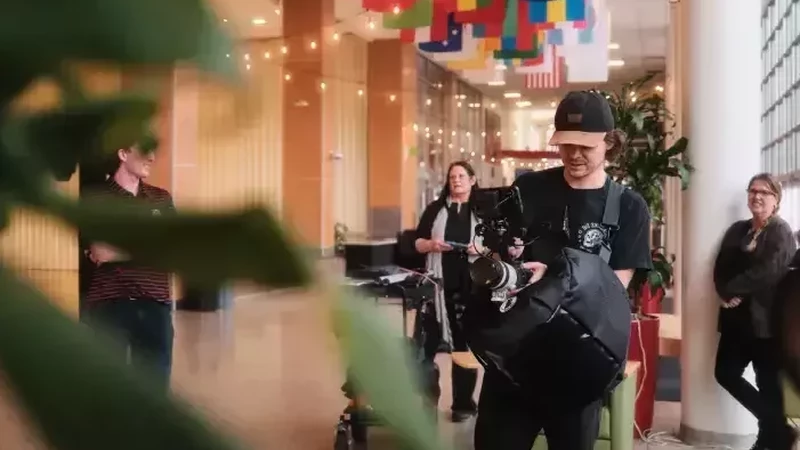
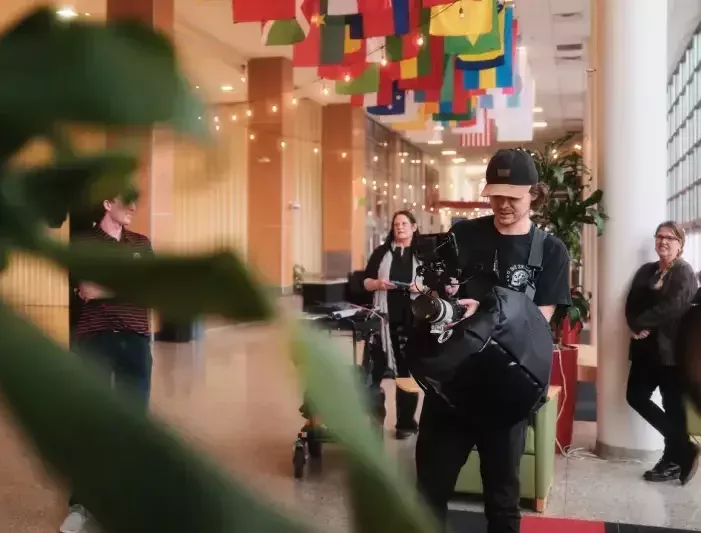
Corporate video production for B2B companies has stopped being a nice-to-have. B2B buyers now watch a vendor's video before they ever return a sales email, and what that video shows them either builds confidence or raises a red flag. This matters more in B2B than in most other categories, because a buyer isn't just evaluating a product; they're evaluating whether a company can be trusted with a six-figure contract, a multi-year relationship, or a process their own customers depend on. What follows is a look at why B2B buyers respond to video during vendor evaluation, what separates a credible corporate video from a polished ad, and how to build a video library that earns trust before your sales team ever picks up the phone.
Why B2B Buyers Are Skeptical Before They Ever Talk to Sales
Most B2B buyers have been burned by a glossy sales deck that didn't match reality. By the time they reach your website, they're already filtering for signs of exaggeration: stock footage that doesn't match the industry, testimonials that sound scripted, or claims with no visible evidence behind them. Video either confirms or breaks that filter within the first fifteen seconds. Unlike a case study PDF, video is hard to fake convincingly — a real facility, a real team member speaking without a script, and a real process are difficult to fabricate at scale, which is exactly why buyers trust it more than most other content formats.
This skepticism is highest at the top of the funnel, before a buyer has any direct relationship with your team. A prospect researching vendors at 9 p.m. on a Tuesday isn't available for a live demo call, but they will watch a two-minute video. That video is often doing the work a first sales call used to do: establishing that the company is real, competent, and worth a follow-up conversation.
What a Trustworthy Corporate Video Actually Shows
Proof-of-work video: footage that documents a real process, team, or facility rather than dramatizing one, is the foundation of a credible corporate video. Buyers trust what they can verify, and a video that shows an actual production floor, an actual client walkthrough, or an actual team meeting reads as evidence rather than advertising.
The most effective B2B corporate videos we've produced share a few traits: they show people's faces and names, not just voiceover; they include at least one moment that wasn't obviously scripted; and they name specific outcomes instead of vague claims like "industry-leading" or "best-in-class." A plant manager describing a specific defect-rate improvement is more persuasive than a narrator claiming quality leadership, because the first is checkable and the second isn't.
Lighting and sound quality still matter, but they matter less than most marketing teams assume. A slightly imperfect video with real proof outperforms a flawless video with none, because B2B buyers are evaluating substance, not production value, when the stakes are a long-term contract.
The Difference Between Credible Video and Marketing Fluff
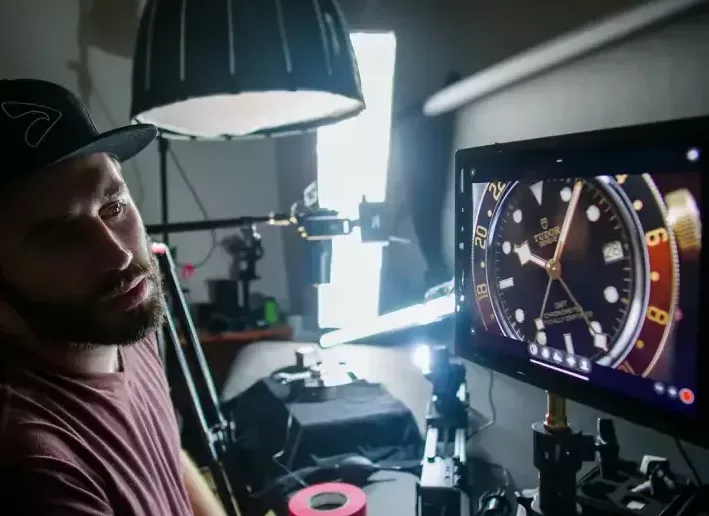
Marketing fluff in corporate video usually shows up as three patterns: stock footage standing in for real operations, testimonials that never name a specific result, and narration that describes feelings ("passionate," "innovative") instead of facts. None of these are dishonest exactly, but they don't move a skeptical buyer forward, because they can't be checked against anything real.
Credible video does the opposite. It names the client, the project, and the number. It lets an engineer or operator speak in their own words, even if that means a less polished sentence than a script would produce. And it's specific about scope, a video that says "we handled the electrical retrofit for a 40,000-square-foot facility in fourteen weeks" tells a buyer more in one sentence than a minute of generic brand language.
Where Corporate Video Fits in the B2B Buying Journey
Corporate video earns the most trust when it's matched to where a buyer actually is in the decision. Early-stage buyers respond to company overview and culture video that answers "is this a real, stable company." Mid-stage buyers respond to process and proof-of-work video that answers "can they actually do what they claim." Late-stage buyers respond to detailed testimonial and case-study video that answers "did this work for someone like me." Producing all three as one generic "about us" video wastes the format's biggest advantage: the ability to speak directly to a specific stage of skepticism.
This is also where video connects to the rest of a broader B2B content plan. A corporate video rarely works in isolation; it performs best as part of a coordinated video marketing strategy that places the right video at the right stage of the site and sales funnel, rather than one video trying to do every job at once.
Building a Video Library That Supports Every Stage of Evaluation
Instead of commissioning a single hero video, most B2B companies get more mileage from a small library: one overview piece, two or three proof-of-work pieces tied to specific services or projects, and a rotating set of short testimonial clips that can be swapped in as new clients agree to be filmed. This library approach also gives sales teams something concrete to send mid-conversation, a two-minute clip that answers the exact objection a prospect just raised is far more useful than a generic company reel.
Building that library is a production-planning problem as much as a creative one, since it requires scheduling shoots around real projects rather than staging generic scenes after the fact. Companies that plan this a quarter ahead consistently end up with more usable, more credible footage than companies that try to produce everything in one rushed shoot right before a trade show or launch.
If your sales team is still relying on a slide deck to make the first impression, a properly planned corporate video library is the more direct way to close the trust gap before a prospect ever picks up the phone. Talk to Eagle Wing Productions about corporate video production to plan a library built around your actual proof points instead of stock footage.
Frequently asked questions about How Corporate Video Production Builds Trust With B2B Buyers
What makes corporate video different from a regular commercial for B2B trust-building?+
Corporate video is built to document real proof people, processes, and outcomes, rather than to sell an emotional benefit the way a consumer commercial does. For B2B buyers evaluating a vendor, that documentary quality is what makes the content trustworthy rather than promotional.
How long should a B2B corporate video be to hold a buyer's attention?+
Most effective B2B corporate videos run 90 seconds to three minutes, long enough to show real proof but short enough to watch during a research session. Overview videos can run shorter; detailed process or case-study videos can run a bit longer if every second earns its place.
Should a corporate video include specific numbers and client names?
Yes, specific numbers and named clients are what separate a credible corporate video from generic marketing content, as long as the client has agreed to be featured. Vague claims without attribution are one of the fastest ways to lose a skeptical B2B buyer's trust.
How often should a B2B company update its corporate video content?+
A core overview video can last a few years, but proof-of-work and testimonial content should be refreshed every few quarters as new projects and clients become available. A library that only ever shows the same two-year-old case study starts to read as stagnant rather than active.
Can a small or midsize B2B company produce credible corporate video on a limited budget?+
Yes, credibility comes from real proof and specificity, not production scale, so a smaller company can produce trustworthy corporate video without matching a much larger budget. Prioritizing one well-planned proof-of-work shoot over a single expensive brand film usually delivers more trust per dollar.
Where should a B2B company publish its corporate video content for the biggest impact?+
The homepage, relevant service pages, and sales follow-up emails see the highest impact, since that's where a buyer is actively deciding whether to move forward. Publishing on YouTube also supports discoverability, but on-site placement is what actually influences the vendor evaluation itself.
Start Your Project
Ready to Bring Your Story to Video?
Book a free strategy call, and we'll help you figure out which type of video will deliver the best ROI for your business.