Top 5 Outdoor Video Production Locations in Salt Lake City (And What You Need to Know Before You Film There)
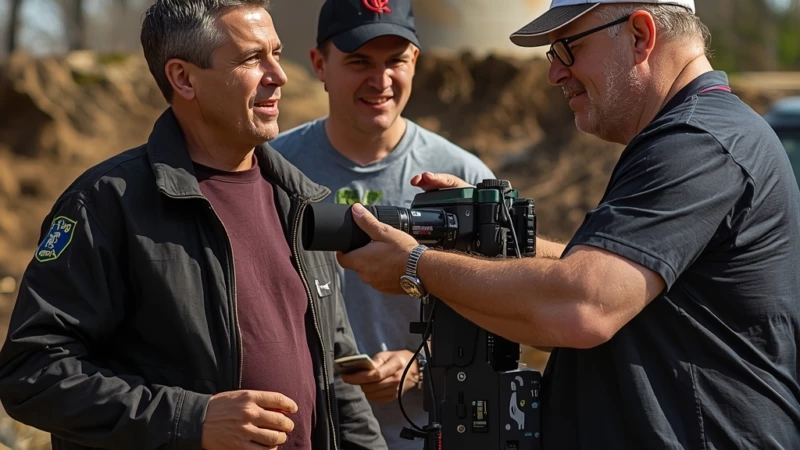
Outdoor video production locations in Salt Lake City range from permitted public parks and historic districts to privately managed properties with dedicated production agreements. Choosing the right location requires balancing visual appeal with practical logistics: permit timelines, parking access for equipment vehicles, ambient noise levels, and seasonal light conditions specific to Utah's high-desert climate. |
Utah's film production industry generates over $100 million in economic activity annually, with Salt Lake City serving as the primary hub for commercial and corporate video production in the Intermountain West. Utah Film Commission Annual Report, 2023 |
The Best Outdoor Filming Locations in Salt Lake City
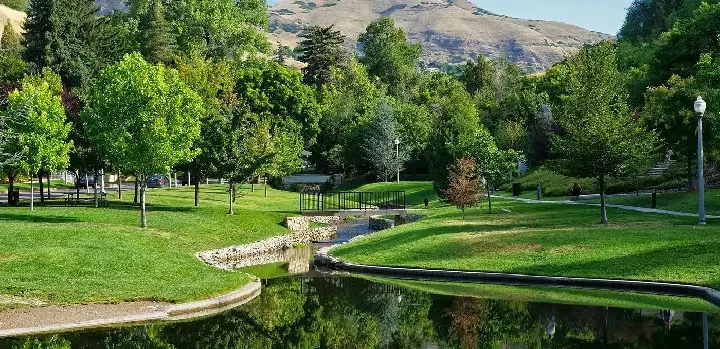
#1 Memory Grove Park & City Creek Canyon Urban green space with dramatic canyon backdrop — 10 minutes from downtown |
Permit required | Yes — Salt Lake City Parks Division. 5-7 business days standard. |
Best for | Corporate brand films, nonprofit storytelling, outdoor lifestyle, wellness brands |
Best season | Late spring through early fall. Canyon colors peak in October. |
Light window | Morning shoots benefit from east-facing canyon walls. Avoid midday harsh overhead light. |
Parking/access | Limited vehicle access. Equipment must be hand-carried from nearby lot. |
Memory Grove Park sits at the mouth of City Creek Canyon, less than a mile north of Temple Square, and it consistently photographs better than clients expect. The park offers a layered visual environment: mature trees, a small stream, stone monuments, and — critically — the canyon walls rising immediately behind it, which provide a natural green or golden backdrop depending on the season.
For brands that need to convey quality, calm, and connection to the natural environment without leaving the city, Memory Grove is one of the strongest outdoor options in the Salt Lake Valley. We have used it for healthcare brand films, nonprofit fundraising videos, and corporate culture pieces where the visual tone needed to feel grounded rather than corporate.
The permit process through Salt Lake City Parks Division is straightforward but requires lead time. Standard permits take five to seven business days. If your shoot involves a generator, large lighting equipment, or a crew above a certain size threshold, additional approval may be required. A local production team handles this as a routine pre-production task. An unfamiliar crew often does not know to initiate it until it is too late.
Production notes:
Park is active with pedestrians and dog walkers — budget time for background management
The stone bridge near the park entrance is a highly recognizable SLC visual landmark
Canyon winds can create audio challenges — directional microphone positioning matters
No vehicle access past the main gate; plan your equipment load-out accordingly
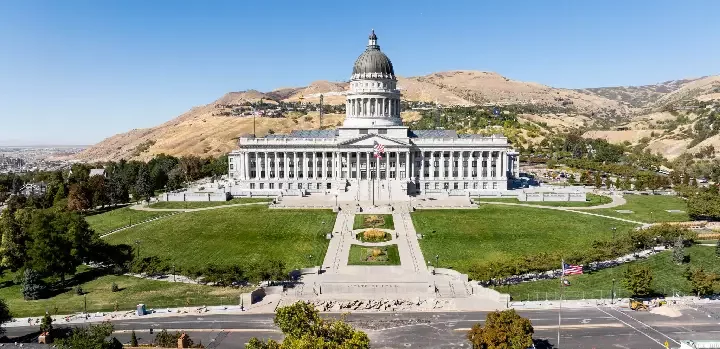
#2 The Utah State Capitol Grounds Neoclassical architecture and panoramic valley views — one of SLC's most recognizable backdrops |
Permit required | Yes — Utah State Capitol Events Office. 10+ business days recommended. |
Best for | Corporate authority, professional services, government, finance, B2B brands |
Best season | Year-round. Dramatic in winter with snow; striking in fall with foliage. |
Light window | West-facing steps catch afternoon light best. East grounds work well in morning. |
Parking/access | Available on Capitol Hill. Equipment vehicles can stage in designated areas. |
The Utah State Capitol building is one of the most architecturally distinctive outdoor filming locations in Salt Lake City, and it is dramatically underused by local brands. The Corinthian columns, the grand exterior staircase, and the panoramic views of the Salt Lake Valley and Oquirrh Mountains provide a visual gravitas that is almost impossible to replicate on a studio set or at a generic corporate campus.
Brands in professional services, finance, law, healthcare administration, and B2B technology consistently benefit from the authority signals that this location conveys without a single word of copy. The building reads as serious and established on camera in a way that a downtown office lobby simply does not.
Permit requirements are more involved than a city park. The Utah State Capitol Events Office manages filming requests and requires additional lead time, particularly for larger crews or productions that need to restrict public access to any portion of the grounds. Budget a minimum of ten business days for permit approval, and initiate the process as early as possible during pre-production.
Production notes:
Reflection pool on the south side provides excellent symmetrical framing opportunities
Helicopter or drone footage requires separate FAA coordination due to flight restriction zones
Interior Capitol filming requires a separate permit from exterior grounds filming
High elevation exposure means wind is a consistent audio factor — plan accordingly
Working with a local production team in Salt Lake City means permit timelines are built into the project schedule before pre-production even begins. |
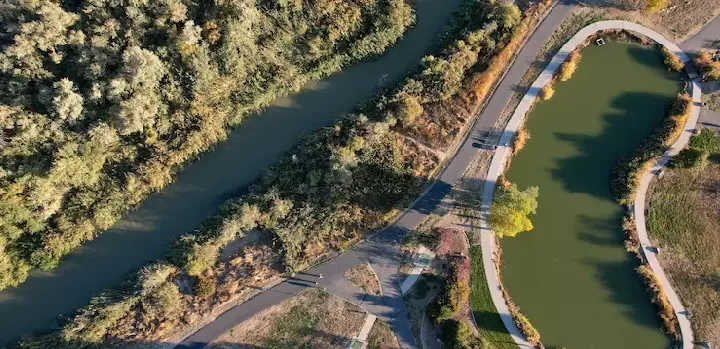
#3 Jordan River Parkway Trail Miles of riparian landscape with mountain views — the West Side's most versatile outdoor corridor |
Permit required | Yes — Salt Lake County Parks. Requirements vary by segment and crew size. |
Best for | Outdoor recreation brands, wellness, sustainability, lifestyle, real estate |
Best season | Spring and fall for greenery and color. Summer mornings before heat builds. |
Light window | North-south trail orientation offers varied light throughout the day by segment. |
Parking/access | Multiple access points along the corridor. Vehicle staging varies by location. |
The Jordan River Parkway stretches for roughly 40 miles through the Salt Lake Valley, and most brands filming in SLC have never considered it. That is a competitive advantage for the clients who do. The parkway offers genuine natural variety — open meadow sections, dense riparian cottonwood corridors, waterfront stretches, and mountain view frames — all within a single location corridor.
For outdoor recreation brands, wellness companies, sustainability-focused businesses, and any brand that needs to communicate an authentic connection to the natural environment without the logistical complexity of a mountain location, the Jordan River Parkway is one of the most practical and visually flexible options in the Salt Lake Valley.
Permit requirements are managed by Salt Lake County Parks and vary by the specific segment of the trail you intend to use and your crew size. The trail passes through multiple jurisdictions along its length, which means permit coordination can involve more than one office depending on your planned shooting locations. A local production team that has worked this location before will know which segments offer the best visual variety and the most efficient permit process.
Production notes:
Cottonwood canopy sections near 2100 South offer exceptional filtered-light conditions
Trail is active with cyclists and pedestrians — early morning shoots minimize background traffic
Water access for reflection shots is available at multiple points along the southern segments
Mountain backdrop visibility varies by segment — scout your specific location before shoot day
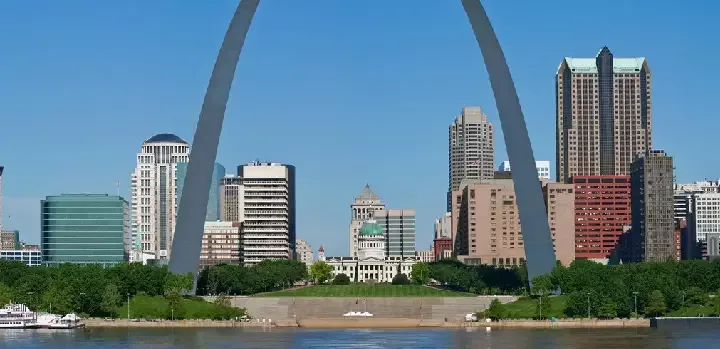
#4 The Gateway / Rio Grande Historic District Industrial architecture, brick facades, and urban texture — SLC's most cinematic street environment |
Permit required | Varies. Public streets require SLC Film Office permit. Private property requires owner agreement. |
Best for | Tech brands, startups, creative agencies, food and beverage, retail, fashion |
Best season | Year-round. Brick and concrete environments are light-consistent across seasons. |
Light window | North-south alley orientations catch directional light in morning and afternoon. |
Parking/access | Street parking and nearby structures. Equipment vehicles generally stageable nearby. |
The blocks surrounding the Rio Grande Depot and the original Gateway district offer the most texturally rich outdoor urban filming environment in Salt Lake City. Exposed brick facades, cast-iron building details, wide brick-paved streets, industrial loading docks, and a scale of architecture that reads as authentically urban on camera without feeling like a generic downtown backdrop.
This area is a consistent go-to for brands that need visual energy and urban credibility — tech companies, food and beverage brands, creative agencies, and retail businesses that want to signal that they exist in a real, dynamic city rather than a corporate campus. The visual language of the district is flexible: the same block can read as gritty and authentic or polished and upscale depending on framing, lens choice, and time of day.
Street filming requires a Salt Lake City Film Office permit for any production that affects pedestrian or vehicle traffic. Private property within the district requires direct agreements with property owners, some of whom have established production-friendly policies. A local team with existing relationships in this area can significantly compress the logistics timeline.
Production notes:
Rio Grande Depot exterior is one of the most architecturally photogenic single structures in SLC
North-facing alley sections between buildings create controlled directional light even on overcast days
Weekend mornings offer the cleanest backgrounds with minimal foot traffic
Distance from downtown core means accessible parking for equipment vehicles
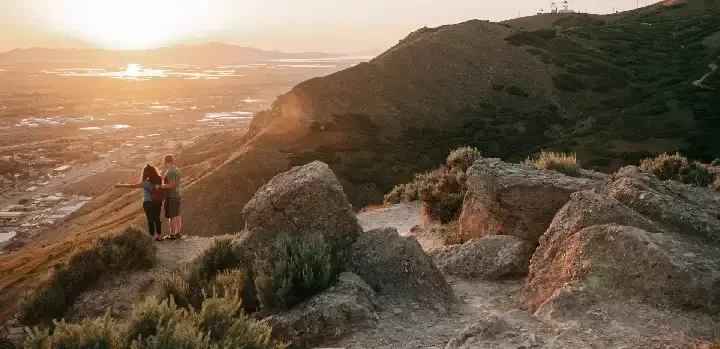
#5 Ensign Peak Natural Area 360-degree views of the Salt Lake Valley — the city's most iconic high-ground filming position |
Permit required | Yes — Bureau of Land Management (BLM). Commercial filming permit required. |
Best for | Brand films, real estate, tech, any brand needing the iconic SLC valley panorama |
Best season | Late spring through fall. Winter access can be limited by trail conditions. |
Light window | Sunrise and golden hour shoots produce the most dramatic valley light conditions. |
Parking/access | Small trailhead lot. All equipment must be hand-carried up the trail (approx. 0.75 miles). |
Ensign Peak offers something no other location in Salt Lake City can match: a 360-degree elevated view of the entire valley, with the Wasatch Range to the east, the Oquirrh Mountains to the west, and the city grid laid out below in a way that communicates scale, ambition, and geographic identity in a single frame. For brands that want to plant a flag in Salt Lake City - literally and figuratively — this is the location.
The trade-off is logistics. All equipment must be hand-carried approximately 0.75 miles up a moderately steep trail to the summit. That means smaller, lighter camera packages, no large lighting setups, and a crew that is physically prepared for altitude and exertion. Sunrise and golden-hour shoots are worth the early call time: the light on the valley floor at those windows is unlike anything achievable at ground level.
Commercial filming at Ensign Peak requires a permit from the Bureau of Land Management, which manages the natural area. BLM commercial permits have their own timeline and requirements distinct from Salt Lake City permits. Budget additional lead time and initiate the process early. The views are worth it, but only if the paperwork is in order before you hike up.
Production notes:
Summit elevation is approximately 5,430 feet — factor altitude into crew energy planning
Wind at the summit is consistent and strong — all audio should be captured with directional windscreens
Sunrise shoots in summer begin around 6:00 AM; winter sunrises offer warmer directional light later in the morning
Drone operation at this location requires coordination with nearby Salt Lake City Airport airspace
Beyond the City: Nearby Utah Locations Worth Knowing
Salt Lake City is a strong base of operations, but some of the most visually distinctive filming environments in Utah are within a 45-minute drive. These locations are not always practical for every project, but for brands with the production scope to use them, they offer visual differentiation that no in-city location can match.
Park City (35 minutes from SLC)
The historic Main Street district, mountain resort architecture, and surrounding ski terrain make Park City one of the most versatile outdoor environments in Utah. Ideal for luxury brands, outdoor recreation companies, hospitality, and any production that needs mountain-town authenticity rather than urban texture. Park City Film Commission manages permitting and is notably production-friendly.
Bonneville Salt Flats (1 hour west of SLC)
The Salt Flats offer one of the most surreal and visually distinctive natural environments in North America — an almost perfectly flat, reflective white surface stretching to the horizon. Brands in automotive, technology, and lifestyle that need a dramatic, otherworldly visual backdrop have used this location to create footage that is immediately recognizable and impossible to replicate in a studio. BLM permit required; weather and surface conditions vary seasonally.
Antelope Island State Park (45 minutes from SLC)
A causeway-accessed island in the Great Salt Lake with dramatic lake-level views, open grassland, and free-roaming bison herds. For outdoor, wildlife, conservation, and sustainability brands, Antelope Island provides visual content that is genuinely unique to Utah. State park filming permits are managed through Utah State Parks.
If your project calls for a location outside Salt Lake City proper, our team has extensive experience filming across Utah. We handle all permit coordination regardless of jurisdiction. -> |
Let's Find the Right Location for Your Utah Shoot
Location selection is one of the most consequential pre-production decisions on any outdoor commercial project. The wrong choice costs time, budget, and visual quality. The right choice gives your editor material that makes the final cut feel inevitable.
At Eagle Wing Productions, location scouting is a standard part of our pre-production process for every outdoor project in Salt Lake City and across Utah. We know which locations photograph well on camera, which permit processes require the most lead time, and how Utah's light and weather behave across every season. That local knowledge is not an add-on. It is built into every project we take on.
Planning a shoot in Salt Lake City or anywhere in Utah? Tell us about your project and we will put together a location recommendation, a clear production plan, and an itemized quote within 48 hours. |
Frequently Asked Questions
Do I need a permit to film a video in Salt Lake City?+
Yes, in most cases. Any commercial video production on public property in Salt Lake City - parks, streets, public plazas - requires a permit from the relevant managing authority. City parks are managed by Salt Lake City Parks Division. Street filming falls under the Salt Lake City Film Office. State and federal lands have their own permit systems. A professional production company handles this process as a standard part of pre-production. Attempting to film commercially on public property without a permit risks on-location shutdown and potential fines.
How far in advance do I need to apply for a filming permit in Salt Lake City?+
Standard city park permits typically require five to seven business days. State-managed properties like the Capitol grounds often require ten or more business days. Federal lands managed by the BLM or National Park Service can require two to four weeks or more, particularly for larger crew sizes or complex equipment setups. The safest approach is to begin permit applications as early in pre-production as possible. Rushing permits is one of the most common and avoidable sources of shoot-day stress.
What time of year is best for outdoor video production in Salt Lake City?+
Late spring through early fall - roughly May through October - offers the most reliable outdoor conditions in the Salt Lake Valley: consistent daylight, manageable temperatures, and the widest range of available natural greenery and color. That said, Utah's winter and early spring can produce exceptionally dramatic visual conditions: snow-covered mountain backdrops, low-angle winter light, and the kind of atmospheric depth that summer haze reduces. Experienced local crews work effectively in all seasons and plan shoot days around seasonal light and weather realities.
Can I fly a drone for video production in Salt Lake City?+
Drone operations for commercial video production in Salt Lake City require FAA Part 107 certification for the drone operator and may require additional airspace authorization depending on your location. Areas near Salt Lake City International Airport, the Utah State Capitol, and certain parks fall within restricted or controlled airspace that requires advance authorization through the FAA LAANC system or a formal waiver. A production team that includes licensed drone operators familiar with Utah airspace requirements handles this coordination as part of pre-production.
How do Utah's weather and seasons affect outdoor shoot planning?+
Significantly. Salt Lake City's high-desert climate means weather can shift dramatically within a single shoot day, particularly in spring and fall. Afternoon thunderstorms are common in summer. Winter inversions can reduce visibility and create flat, low-contrast outdoor lighting conditions. Experienced Utah production teams build weather contingencies into every outdoor shoot schedule: backup indoor locations, flexible shot-order sequences, and clear communication protocols for reschedule decisions. Weather is not an obstacle to filming in Utah - it is a variable that good pre-production accounts for.
Are there locations in Salt Lake City that film-friendly businesses make available for productions?+
Yes. A growing number of Salt Lake City businesses - hotels, restaurants, retail spaces, office buildings, and event venues - have established production-friendly policies and rate structures for commercial filming. Access to these locations is typically faster and more flexible than public property permits, and they often come with amenities like parking, power access, and climate control that public outdoor locations do not. A local production company with established relationships in the SLC market can often source and secure private location agreements faster than a client could independently.
Start Your Project
Ready to Bring Your Story to Video?
Book a free strategy call, and we'll help you figure out which type of video will deliver the best ROI for your business.