Apex Technical Innovations: Product Launch Video for a Billet Two-Stroke Cylinder Head
Eagle Wing Productions captures Apex Technical Innovations' dedication to rider satisfaction with stunning visuals and storytelling that highlight their commitment.
Apex Technical Innovations machines billet two-stroke cylinder heads with interchangeable domes, so a rider can tune power delivery to their own riding style. The hard part of product launch video production for a component like this is that the product disappears the moment it is installed, and the benefit it delivers is a feeling rather than a picture. Eagle Wing Productions built a two-minute launch film around the people who design the part and the track where it proves itself.
The Challenge: Selling a Part Nobody Sees and a Gain Nobody Can Picture
A cylinder head is a difficult thing to sell on video. It lives inside an engine, nobody sees it once the bike is running, and to anyone who is not an engine builder it reads as a machined lump of aluminum. The benefit is harder still: combustion efficiency is invisible, and the differentiator, optimizing the whole combustion chamber rather than simply raising compression, is technical enough that it dies in a caption. Apex needed a launch film that would satisfy engine builders without losing riders who buy on feel.
Our Approach: Let the Engineer Make the Claim, Let the Track Prove It
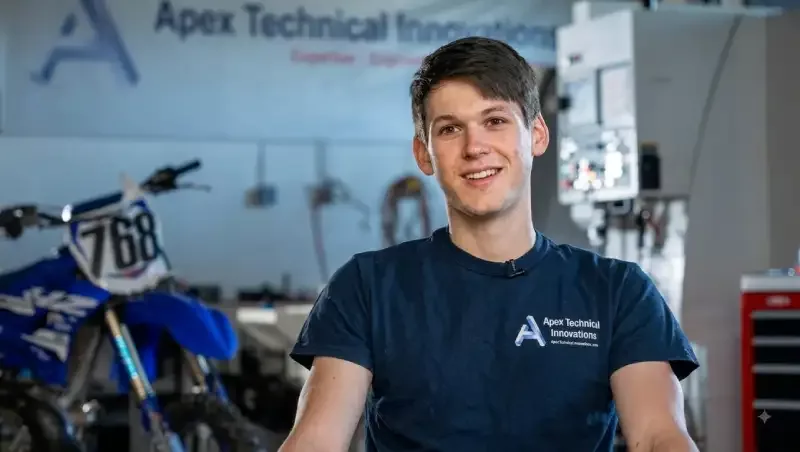
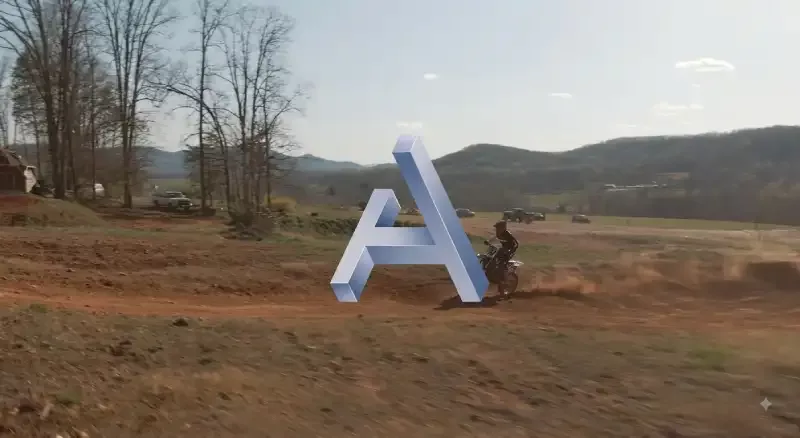
The film moves between two kinds of footage. In the first, Apex's director of racing development explains the engineering himself, on camera in the Apex shop next to the CNC machines, so the claim about combustion chamber design comes from the person who designed it rather than a narrator. In the second, a bike is ridden hard on a motocross track, and an animated 3D Apex logo appears in the aerial shots as if it were part of the landscape, so the brand shows up where the product actually gets used. Footage of the part being made, from a raw block of aluminum through machining to inspection, shows the quality without anyone having to claim it.
The Result: One Film, Several Audiences
Apex came away with one film that serves several audiences at once. The technical explanation satisfies buyers who want to know why chamber geometry matters, the track and manufacturing footage carries the rest, and the animated logo gives the brand something reusable across future videos. It works on a product page, at race and trade events, and as source material for shorter paid social cuts.
What We Delivered

The shoot was scoped to cover three locations and two visual registers without a second production day.
One brand and product launch film for web and event use
On-camera technical interview filmed in the Apex shop
Manufacturing coverage from aluminum blank through inspection
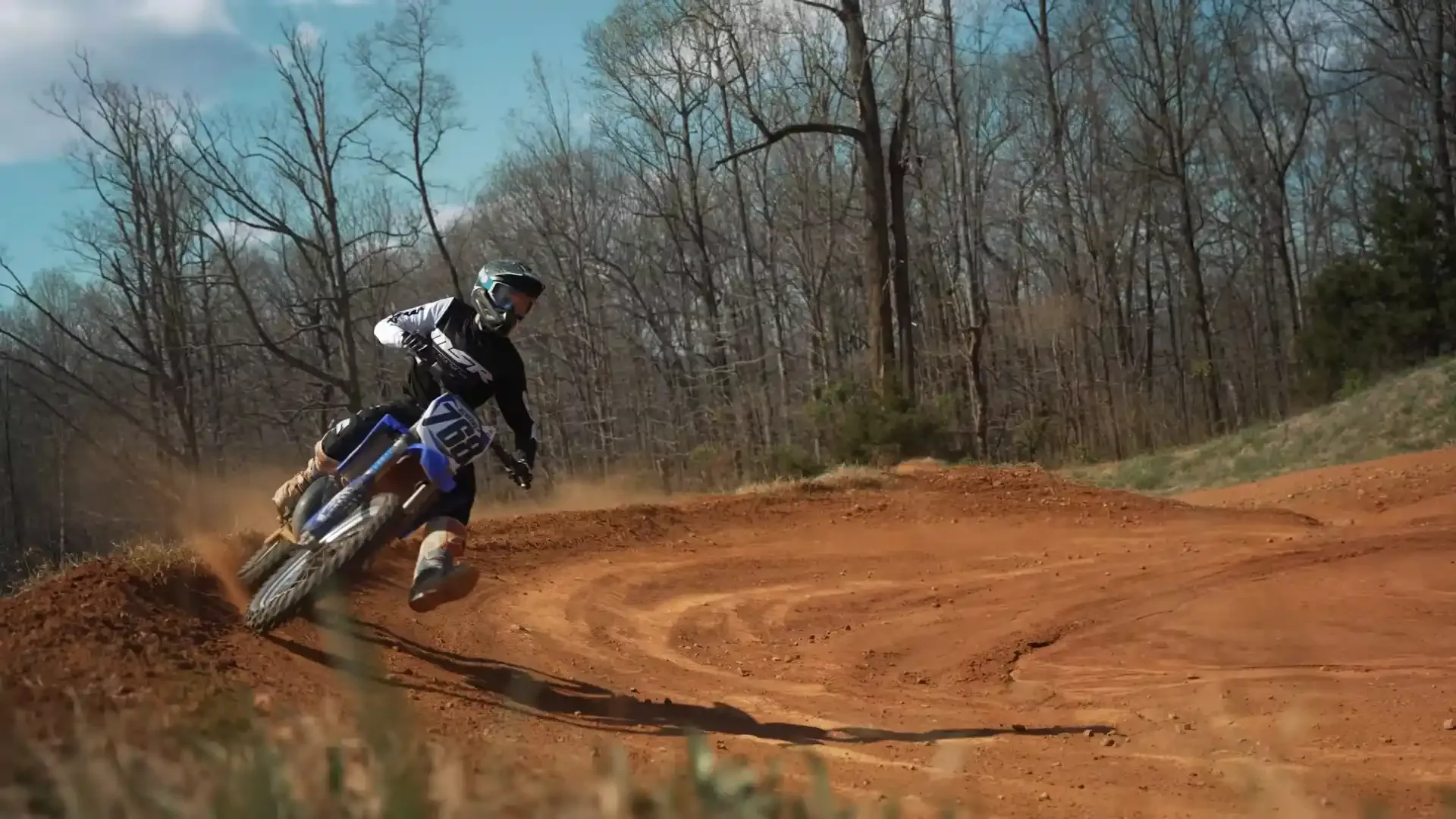
Motocross track footage, including drone work
3D logo animation tracked into a moving aerial plate
Why Engineer-Led Explanation Beats Voiceover for Technical Products
Product launch video production: the making of film built around a specific new product, designed to explain what it does, show how it is made, and give a buyer a reason to believe the claim before they can hold it.
For technical products, having the founder or engineer explain the product works better than a narrator, and the reason is accountability. When Apex's own racing development lead says the combustion chamber is designed for efficiency rather than just higher compression, a knowledgeable viewer can judge the claim and the person making it at the same time. A narrator reading the same sentence gives them nothing to judge.
In our work with manufacturers of engineered parts, footage of the part being made sells harder than any polished photo of the finished product. Watching a raw block of aluminum become a finished cylinder head, then pass inspection, answers the quality question before the viewer thinks to ask it. The finished part on its own answers nothing, because every competitor's part looks about the same in a photo.
Filming Machined Parts and Motorsports in One Production
Filming a machined component and a motocross track in the same production is really two shoots with different problems, and pricing it as one is how these projects go over budget.
Polished aluminum works like a mirror. It reflects the crew, the ceiling and every light in the room, so the job is controlling what the part reflects, not adding more light.
Close-up shots on a shop floor pick up vibration from the running machines, and a tripod alone doesn't always hold the camera steady enough.
Coolant, flying metal chips and heat limit how close a camera can safely get while a machine is cutting.
The track is the opposite problem: we can't control the light, the bike only travels in one direction, and the rider has to circle back for every take.
If a 3D logo or graphic will be added to the aerial footage later, the drone has to be flown with that in mind on the day. It's a planning decision that can't be fixed in editing.
Recording a clean interview in a working shop means switching the machines off, which costs the client production time and has to be scheduled ahead.
Plan a Launch Film for Your Product
If you are launching a component, a tool or any product whose value is invisible once installed, the same structure applies. Tell us what it does and who has to believe it, and we will build the film around the person best placed to make that case. You can see how we have handled this for other manufacturers across our work, or read how we scope product and campaign films on our commercial video production page.

Product Launch Video Production: Common Questions
- What is product launch video production? - Product launch video production is the making of film built around a specific new product, designed to explain what it does, show how it is made, and give a buyer a reason to believe the claim before they can hold it. For engineered components it usually combines an on-camera technical explanation, manufacturing footage and real-world use.
- How do you make a technical component visually interesting? - Show the process, not the part. A finished component photographs the same as every competitor's, but the sequence that produces it, raw material, machining, post-processing, inspection, is specific to the manufacturer and demonstrates quality rather than claiming it. Pair that with the product in real use, and the viewer supplies the conclusion themselves.
- How much does a product launch video cost? - Commercial and product film with Eagle Wing starts around $4,000 for a single-location spot and runs to $30,000 and above for multi-day shoots with talent and full crew. A project like the Apex film sits in the middle of that range, because it covers a shop, a manufacturing floor and an outdoor location, plus 3D animation, but fits in one production day.
- Should the founder or an engineer appear on camera? - For technical products, yes, almost always. A specialist buyer weighs the claim and the person making it together, so an engineer explaining their own design carries credibility that a narrator cannot. If nobody on the team is comfortable on camera, that is a coaching and framing problem worth solving rather than a reason to default to voiceover.
- How long does a product launch video take to produce? - Plan on four to six weeks from creative brief to final delivery for a single-day shoot. Adding 3D product or logo animation extends post-production by roughly one to two weeks, depending on how many shots the animation has to track into and whether a CAD model already exists.
- Can you animate a product or logo into live footage? - Yes. The Apex film places an animated 3D logo into a moving drone shot, so the logo looks like it sits on the ground as the camera flies past. The same technique works for exploded views that pull a product apart on screen, or cutaways that show the inside, which is often the only way to show what a component does once it is installed and hidden.
Start Your Project
Ready to Add Your Project to This Portfolio?
Book a free strategy call, and let's talk about what a video like this could do for your business.